Our Blog

New Year's Eve

December 30th, 2020
Watching the clock tick down the final seconds until midnight, many of us- Robert H. Perry Specialist in Orthodontics included- feel nostalgic about the passing year and hopeful about the new one to come. New Year’s Eve is one of the most widely celebrated holidays in the world, with over-the-top celebrations taking place in dozens of countries. The Gregorian calendar, which is widely used in Western nations and around the world, was implemented in 1582. Since that time, December 31st has marked the final day of the year, with midnight heralding the beginning of a brand new year. In the United States, New Year’s Day is a public holiday; government offices, schools, public organizations, and many businesses are closed for the day. Ponder the following fun facts as you think about your plans for the holiday:

  • Approximately one billion people watch the New Year’s Eve ball drop in Times Square, New York City. This televised event is one of the most iconic New Year’s celebrations in the world. For many years, watching the ball drop meant tuning in to Dick Clark’s Rockin’ New Year’s Eve, an iconic television special dear to the hearts of many viewers.
  • The idea for the New Year’s Eve ball came about because of a citywide ban on fireworks. Before 1907, when fireworks became illegal in New York City, celebrations included an elaborate fireworks show. The large, glittering, illuminated ball was developed as an alternative. Although the first ball was heavy at 700 pounds, the modern New Year’s Eve ball is made of Waterford crystal and tips the scale at six tons!
  • The top five New Year’s resolutions are: to lose weight, quit smoking, get a new job, return to school, or increase personal savings. However, approximately 88% of New Year’s resolutions fail. But don’t let that discourage you! Resolutions are most likely to succeed when they are clear, achievable goals. Setting out a concrete plan to achieve your resolution also boosts your chances of success.
  • Eating black-eyed peas on New Year’s Day is said to bring good fortune in the new year. Collard greens, cabbage, and ham hocks are also considered lucky foods to enjoy. Just steer clear of the chicken or turkey dinners; eating poultry is a bad omen for the year to come.

Whether you plan to stay in Corinth, MS, or head out into the crowds to watch the ball drop in Times Square, New Year’s Eve is a time to enjoy friends and family. Send your loved ones well wishes for the New Year, and look for that special someone to share a midnight kiss with for good luck!
Foods that are Safe for Braces

December 23rd, 2020

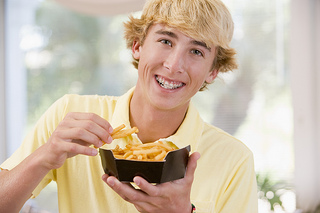
Orthodontic braces are used to straighten the teeth, which not only creates a more pleasing appearance, but also helps prevent tooth decay and other oral health problems. Braces are only effective when they are properly cared for, however. Certain foods, for example, are better suited for individuals who have braces, as opposed to hard and sticky foods that can cause damage. So, what types of foods should you or your kids eat to protect dental appliances?

The best foods to eat with braces are those that are not high in sugar and do not require excessive chewing. For breakfast, try eggs, yogurt, bacon, wheat toast, or oatmeal. Lunch may steer toward a banana rather than an apple, a salad without nuts, and a glass of water. If you are looking for some after-school snacks for your kids, consider baked tortilla chips with salsa and guacamole, or try string cheese with fruit.

A healthy dinner can include most types of vegetables, so long as they are cooked to an appropriate softness. Pair that with a lean protein, such as fish or chicken, and follow up with dessert. Just be sure to brush afterward!

Post-Tightening Foods

As braces begin to adjust the alignment of the teeth, our team at Robert H. Perry Specialist in Orthodontics will periodically tighten them to continue the alignment process. After tightening occurs, the teeth may be sore and sensitive to certain foods. During this time, it is best to eat soft foods. Examples include:

  • Pudding
  • Mashed potatoes
  • Soup
  • Ice cream
  • Cottage cheese
  • Peas
  • Pancakes
  • Pasta

Foods to Avoid

Anyone who wears braces – whether fixed or removable – should avoid excessive snacking and should aim to eat a healthy and balanced diet. It is also important to avoid foods that could cause damage to the braces, such as:

  • Hard candies
  • Gum
  • Nuts
  • Popcorn
  • Certain raw vegetables (for example, carrots)

Considerations

Regardless of what types of foods you eat with braces, it is important to keep the crevices between the teeth and around the braces very clean. That means brushing and flossing after meals to prevent the build-up of plaque and decay. Not only can failing to do so damage the teeth, but it can also cause discoloration.

Have more questions about orthodontic treatment? The Robert H. Perry Specialist in Orthodontics staff is always ready to answer all of your questions and help you get the most out of the treatment plan prescribed for you by Dr. Perry!

How Long Do I Need To Wear Retainers?

December 16th, 2020

Once you get your braces off, you want to make sure your smile remains straight! This is where retainers come in.

Once your braces come off, you’ll be fitted for a retainer provided by Dr. Perry to keep those teeth in place. A retainer is a custom-fit device that sits in the mouth and reinforces the new position of your teeth. Wearing it may be annoying at first, but it’s an essential part of the process of keeping your teeth in place over the long term.

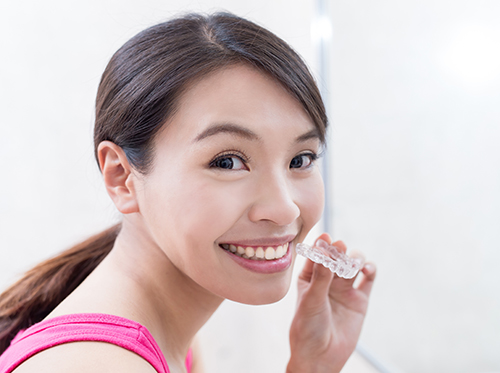
For the first few months after your braces are gone, Dr. Perry will tell you to wear your custom retainers all the time, except when you’re eating, drinking, or brushing. You have the option of having a clear plastic retainer made if you’re concerned about your appearance.

Eventually, we will recommend that you only have to wear the retainer during each night for a full year. After that, you may take a couple nights off from wearing them each week. In order to preserve the position of your teeth for as long as possible, we don’t recommend that you ever fully stop wearing your retainers.

If you’re concerned about forgetting to wear your retainer, and worried that your teeth may shift, a lingual retainer could be a good option for you. This gets placed on the back of your teeth and is not readily visible.

These retainers are permanent, but they could cause issues for you down the road if you don’t maintain good oral hygiene. Plaque and tartar can build up around these lingual bars, which is why we don’t usually recommend this as a primary choice.

Wearing your retainer is extremely vital after your braces come off. Without your retainer to keep them in place, the teeth you’ve taken so long to fix may begin to shift again. Getting braces is quite an investment, which is why you should keep wearing your retainer long after the braces have come off.

If you have questions or concerns regarding your retainers, contact our Corinth, MS office and we can address any problems you may have.

Why is flossing so important when I have braces?

December 9th, 2020

You've made an investment on spending money on getting braces, so why not keep your teeth in good health while undergoing orthodontic treatment?  Dr. Perry and our team at Robert H. Perry Specialist in Orthodontics will tell you it is just as important to develop a regular hygiene routine while you're wearing braces as you did before proceeding with treatment.

Flossing is essential to the health of your teeth and gums when you're wearing braces. Because braces may hold food, sugars and liquids upon eating, it is very important to keep on top of your brushing and flossing, as well as visiting our office for regular adjustments.

While we know it's tough enough to get kids to floss daily without braces, that battle becomes even tougher when braces are involved. Remember that by not flossing, you will become more prone to cavities and gum disease during your treatment.

When flossing, remember to gently massage your gums in between the teeth. You will find that flossing with braces takes extra time, as you will have to weave the floss through each bracket. When flossing, there should be no signs of blood. If you see blood, you are not flossing enough or properly.

Using an electric toothbrush is also a good idea to massage your gums before or after flossing as electric toothbrushes can help remove any harmful bacteria that are lingering in your mouth. And don't forget to add a mouthwash to your routine to break up any bacteria that has formed. A good mouthwash will help keep your teeth and gums in good shape during your treatment.

If you have any questions about flossing or your orthodontic treatment at Robert H. Perry Specialist in Orthodontics please don't hesitate to give us a call or during your next adjustment appointment!